 DialerGiants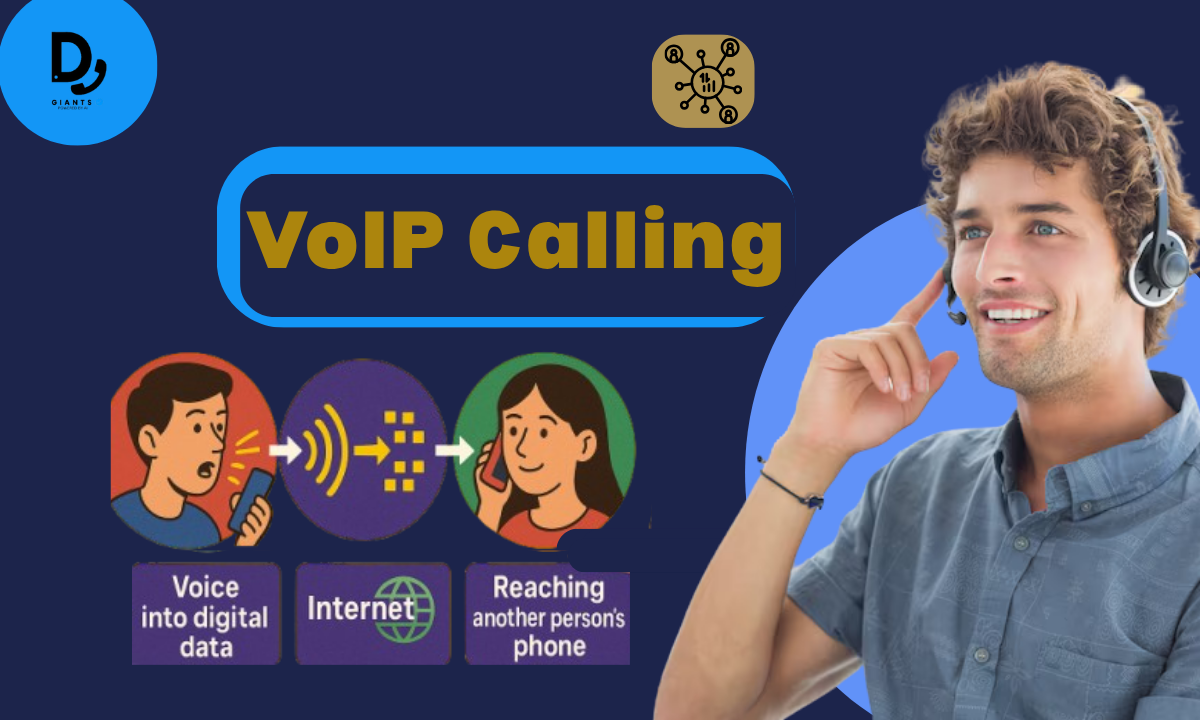
Introduction
In today's fast-paced digital world, communication technology is evolving rapidly, and one of the most significant advancements is VoIP calling. But what exactly is a VoIP caller? Simply put, a VoIP caller is someone who makes phone calls using Voice over Internet Protocol (VoIP) technology. Unlike traditional phone calls that rely on physical phone lines, VoIP calls travel over the internet, turning your voice into digital data packets. This shift has transformed how individuals and businesses communicate, offering more flexibility, cost savings, and innovative features.
VoIP technology allows users to make voice calls using various devices, including smartphones, computers, tablets, and specialized VoIP phones. This means you can connect with anyone around the world as long as you have an internet connection. The rise of VoIP callers is closely linked to the increasing demand for affordable, reliable, and feature-rich communication solutions, especially for businesses looking to streamline their operations and improve customer engagement.
How VoIP Calling Works
Turning Voice into Data
When you speak into a VoIP-enabled device-like a smartphone, computer, or VoIP phone-your voice is captured and converted into digital signals. These signals are broken down into small data packets. Instead of traveling through copper wires like in traditional phone systems, these packets move over the internet.
Sending and Receiving Calls
Once your voice is converted into data packets, they travel through the internet to reach the person you're calling. At the other end, the data packets are put back together and turned into sound, so the recipient hears your voice clearly. This whole process happens almost instantly, making the conversation feel natural.
Devices You Can Use
One of the great things about VoIP is its flexibility. You can make calls using various devices, including softphone apps on your computer or smartphone, dedicated IP phones, or even regular phones connected through an Analog Telephone Adapter (ATA).
Types of VoIP Lines and Callers
What Is a VoIP Line?
A VoIP line isn't a physical phone line but a digital connection that allows you to make and receive calls online. You can have multiple VoIP lines on a single device, which is especially useful for businesses that need several phone numbers or extensions without extra hardware.
Different Types of VoIP Callers
- Individuals use VoIP to make affordable international calls or to stay connected while traveling.
- Small and medium businesses rely on VoIP lines for cost-effective communication, virtual phone numbers, and features like call forwarding and voicemail.
- Call centers and large enterprises use advanced VoIP systems with multiple lines, call routing, and integration with customer management software.
VoIP Messages and Communication Types
Voice Calls and VoIP SMS
The most common use of VoIP is voice calling, but many VoIP systems also support VoIP SMS, which means you can send and receive text messages using your VoIP number. This feature is especially useful for businesses that want to communicate quickly with customers without relying on traditional phone networks.
Video Calls and Multimedia Messaging
Many VoIP platforms offer video calling capabilities, allowing users to have face-to-face conversations regardless of their location. This feature is widely used in remote work, online meetings, and personal chats. Additionally, some VoIP services support multimedia messaging, which lets you send pictures, videos, and other files alongside text messages.
Key Features of VoIP Caller Systems
Caller ID and VoIP Caller Identification
One important feature is caller ID, which shows the number or name of the person calling you. With VoIP, caller ID can be customized and even display virtual numbers. This helps businesses maintain a professional image and lets users identify who is calling before answering. Some advanced VoIP systems also include caller identification technology that helps detect and block spam or scam calls.
Call Forwarding and Call Routing
VoIP systems allow you to set up call forwarding, which means incoming calls can be automatically redirected to another number or device. This is helpful when you're away from your desk or traveling. Call routing takes this a step further by directing calls based on rules you set, such as sending sales calls to one team and support calls to another.
Voicemail and Voicemail-to-Email
VoIP callers benefit from enhanced voicemail options. Instead of just leaving a message, many systems offer voicemail-to-email, where voicemails are converted to audio files and sent directly to your email inbox. This makes it easier to manage messages and respond promptly.
Benefits of Using VoIP Callers
- Cost Savings: VoIP calls—especially international and long-distance calls—are much cheaper than traditional phone lines.
- Flexibility and Mobility: VoIP callers can make and receive calls from anywhere with an internet connection.
- Scalability: VoIP systems are highly scalable, meaning you can easily add or remove lines as your needs change.
- Advanced Features: VoIP offers call forwarding, voicemail-to-email, video calls, and instant messaging—all in one system.
- Environmental Impact: VoIP reduces the need for physical phone lines and hardware, lowering electronic waste and energy consumption.
Common Challenges and Limitations of VoIP Calling
- Internet Connection Dependency: VoIP calls rely heavily on a stable internet connection.
- Call Quality Issues: Problems like jitter, latency, or echo can occur due to network problems or insufficient bandwidth.
- Security Risks: VoIP is vulnerable to spam calls, caller ID spoofing, and phishing attacks.
- Limited Emergency Services: Some VoIP services may not provide reliable access to emergency services (like 911).
How to Identify and Block Unwanted VoIP Callers
Recognizing Unwanted VoIP Calls
Spam or scam VoIP calls often come from numbers you don't recognize or from suspicious caller IDs that look fake or unusual. Sometimes, these calls use caller ID spoofing, which means the caller disguises their number to appear trustworthy.
Using Call Blocking Features
Most VoIP systems and smartphones have built-in call blocking features. You can block specific numbers or enable settings that automatically filter suspected spam calls. Many VoIP providers also offer advanced spam detection tools that identify and block robocalls and scam calls before they reach you.
Tips to Stay Safe
- Don't answer calls from unknown numbers if you're unsure.
- Never share personal or financial information over the phone unless you are certain of the caller's identity.
- Regularly update your VoIP system and apps to benefit from the latest security features.
VoIP Caller Security Best Practices
- Use Encryption for Calls: Make sure your VoIP service supports encrypted calls.
- Strong Passwords and User Authentication: Protect your VoIP accounts with strong, unique passwords and enable two-factor authentication (2FA).
- Keep Software and Devices Updated: Regular updates include security patches that fix vulnerabilities.
- Secure Your Network: Use a firewall and consider setting up a Virtual Private Network (VPN) for an extra layer of security.
- Monitor Call Activity: Keep an eye on your call logs and account activity for unusual patterns.
VoIP Caller Use Cases
- Individuals and Remote Workers: Save money on phone bills and stay connected from anywhere.
- Small and Medium Businesses: Reduce communication costs and increase flexibility with virtual phone numbers and call forwarding.
- Large Enterprises and Call Centers: Handle high call volumes with call routing, recording, and CRM integration.
- Non-Profit Organizations and Educational Institutions: Cut down on communication expenses and enable better collaboration.
- Travelers and Digital Nomads: Maintain a local presence without needing physical phone lines.
Comparison: VoIP Callers vs Traditional Phone Callers
- Cost Differences: VoIP calls are much cheaper, especially long-distance or international calls.
- Feature Sets and Flexibility: VoIP offers video calling, instant messaging, voicemail-to-email, and business integrations that traditional systems lack.
- Mobility and Accessibility: VoIP callers can make and receive calls from anywhere with an internet connection.
- Reliability and Call Quality: Traditional phone lines often provide more consistent call quality, but with good internet, VoIP quality can be excellent.
- Security Considerations: VoIP faces unique threats like hacking and spoofing, while traditional lines are generally more secure against cyber threats.
Top VoIP Service Providers and Platforms
- Sloovi: Known for its user-friendly interface and strong integration with CRM tools.
- Calilio: Offers affordable VoIP solutions with features like call forwarding, voicemail, and virtual numbers.
- Tragofone: Focuses on secure and reliable VoIP calling with advanced call routing and analytics.
- Ringy: Specializes in sales and marketing communication with call tracking and automated follow-ups.
- Flashmob Computing: Known for its customizable VoIP solutions for businesses needing tailored phone systems.
- Ringblaze: Offers easy-to-use VoIP calling and messaging with strong team collaboration features.
What to Look for in a Provider: Features, pricing, customer support, scalability, and transparent pricing with no hidden fees.
Frequently Asked Questions (FAQs)
What Does It Mean When You Get a VoIP Caller?
A VoIP caller is someone who makes calls using Voice over Internet Protocol technology. Instead of using traditional phone lines, the call travels over the internet.
Can VoIP Calls Be Traced?
Yes, VoIP calls can be traced, but it depends on the provider and the technology used. Some VoIP systems keep detailed call logs and caller information.
Do VoIP Calls Work Without Internet?
No, VoIP calls require an active internet connection to work. Without internet access, you won't be able to make or receive VoIP calls.
How Do VoIP Lines Differ from Traditional Phone Lines?
VoIP lines are virtual and operate over the internet, while traditional phone lines are physical wires. VoIP lines offer more flexibility, allowing multiple lines on one device.
What Types of Messages Can I Send Using VoIP?
VoIP supports voice calls, SMS (text messaging), multimedia messages (pictures, videos), and video calls.
Is VoIP Calling Secure?
VoIP calling can be secure if proper measures like encryption, strong passwords, and updated software are used. However, it can be vulnerable to hacking and spoofing if not protected.
Conclusion
VoIP callers have transformed the way we communicate by offering a flexible, cost-effective, and feature-rich alternative to traditional phone systems. By using the internet to make calls, VoIP technology enables voice, video, and messaging services all in one platform. Whether you're an individual, a small business, or a large enterprise, VoIP provides scalable solutions that fit your communication needs.
As internet technology continues to improve, VoIP calling will only become more reliable and feature-packed. Embracing VoIP can help you save money, stay connected anywhere, and enjoy advanced communication tools. Now is a great time to consider switching to VoIP and experience the future of calling.


