 DialerGiants
Call centers are often seen as indispensable in bridging the gap between companies and customers, but they can also become a significant financial burden if costs aren't carefully managed. In today's customer-focused business environment, call centers are no longer just cost centers, though call center cost reduction remains a priority for 54% of CFOs. These centers must balance the rising demand for phone support while keeping costs in check. Understanding your cost structure and focusing on optimizing it is crucial, as every penny saved matters.
Why Call Center Cost Reduction is Important in 2025
In 2025, business leaders are focused on optimized operations, and call center cost reduction plays a crucial role in this. Managing a call center means understanding where your money is going, whether it's setup costs, ongoing fees, or service charges that differ depending on the type of business or its operation. Every penny matters, and smart spending allows you to run your call center smoother and more efficiently, ensuring that agents can handle inquiries effectively. This results in customer satisfaction, which is essential for driving loyalty.
Understanding Call Center Costs: A Breakdown
When it comes to running a call center, understanding the various costs associated is key. These costs can be broadly categorized into direct and indirect expenses. Direct costs are those that are easily tied to specific operations, like agent salaries and technology fees. On the other hand, indirect costs may include things like overhead, training, and maintenance.

Direct costs
When managing a call center, it's essential to understand direct costs, which are the costs directly tied to the operation. These include salaries and wages, which make up the largest component, covering compensation for call center agents, supervisors, and managers. Other significant costs are training and development expenses, which are crucial for onboarding new employees and maintaining ongoing training programs to enhance skills. Additionally, technology and equipment costs are necessary for running the operation, including hardware, software like CRM systems, and telephony infrastructure. Lastly, there are facilities costs, such as rent, utilities, and maintenance for the physical space where the call center operates.
Indirect costs
Indirect costs are expenses that support a call center's operation but aren't directly tied to it. These include recruitment and hiring expenses, which involve attracting, interviewing, and onboarding new staff. Another key aspect is employee turnover cost, which arises from losing employees and includes the cost of hiring replacements, as well as the lost productivity and transition time. Administrative overheads like costs related to human resources, finance, and other support functions are also a significant part of the indirect costs. Additionally, quality assurance investments are necessary to monitor and improve call quality, customer satisfaction, and compliance with regulations. Tracking all these expenses through expense trackers can help businesses optimize their costs efficiently.
15 Proven Call Center Cost Reduction Strategies
1. Implement Self-Service Options
Implementing self-service options such as FAQs, online knowledge bases, and Interactive Voice Response (IVR) systems allows customers to find answers and resolve issues independently, without needing a live agent. This approach helps reduce the number of calls a call center receives, leading to lower staff costs, fewer infrastructure requirements, and decreased overall operational expenses. When routine queries are handled automatically, it improves efficiency while keeping costs under control.
2. Optimize Workforce Management
Workforce management is crucial in controlling costs in a call center. By utilizing advanced tools, businesses can ensure that staffing levels are aligned with call volumes, preventing both overstaffing and understaffing. Analyzing historical data helps predict call demand and schedule agents effectively. Proper planning minimizes idle time, ensuring agents are working efficiently during their shifts. This reduces contact center expenses while improving service levels, ensuring the right number of agents is available during peak times to handle inquiries without delays.
3. Leverage AI and Automation
AI-powered chatbots are a cost-effective solution for handling routine and repetitive queries, allowing businesses to automate tasks and free up human agents. These intelligent tools provide immediate responses, significantly improving response times while reducing workload on live support teams. By automating common customer interactions, call centers can optimize resources and enhance service delivery without increasing expenses.
4. Invest in Agent Training and Development
Investing in agent training is a smart move for long-term cost-savings in call center operations. A strategic commitment to skill-building improves productivity and reduces errors. According to a Glassdoor study, well-trained agents achieve higher First Call Resolution rates, lowering handle time, minimizing callbacks, and enhancing service quality. Effective problem-solving and conflict resolution skills also lead to better CSAT scores, reducing escalated calls and boosting customer satisfaction.
5. Move to Cloud-Based Solutions
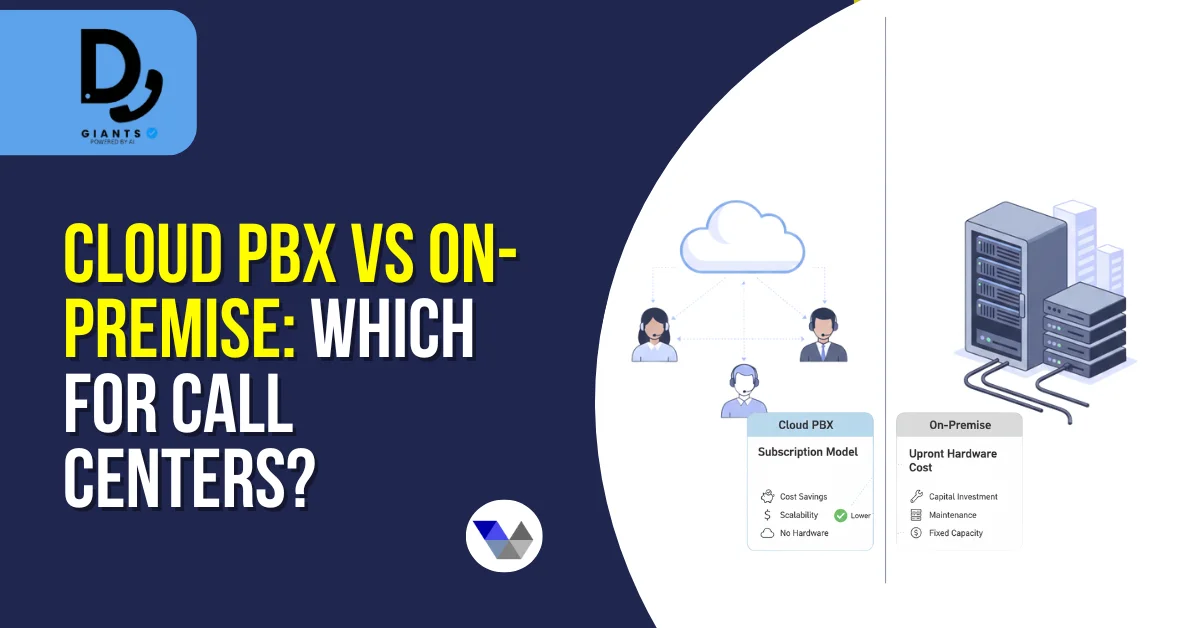
The emergence of cloud-based contact center tools has transformed call center operations, replacing expensive on-premise solutions with more flexible alternatives. A cloud-based call center solution offers the same capabilities as traditional on-premises systems but eliminates hardware costs and minimizes the need for extensive IT support, maintenance, and upgrades. With Pay-as-you-go pricing models, businesses can optimize resources, easily scale operations based on call volumes, and achieve significant cost savings. According to a BCG report, organizations save 15-40% on infrastructure costs by migrating to the cloud.
6. Improve First Call Resolution (FCR)
Improving First Call Resolution (FCR) is a key metric for reducing call center costs and boosting customer satisfaction. When customers' issues are resolved on the first call, it eliminates follow-up calls, leading to lower call volumes and better resource allocation. Proper training, seamless access to customer data, and empowering agents to make informed decisions during every interaction significantly reduce call handling times. By minimizing repeat calls, businesses optimize efficiency while maintaining high service quality.
7. Use Data Analytics for Decision-Making
Analyzing call center data helps businesses spot trends, identify inefficiencies, and improve operations. Tracking call volumes, call durations, and agent performance reveals patterns that impact efficiency. By understanding call types, companies can adjust training programs and implement process improvements to help agents resolve issues faster. These insights lead to better workforce planning and reduced operational waste.
8. Reduce Call Center Turnover
High turnover rates in contact centers range from 30-45%, creating both direct costs and indirect costs that hurt the bottom line. Replacing a call center agent costs between $10,000–$20,000, according to Keith Ferrazzi, while a Deloitte survey estimates $12,000 per frontline employee due to recruitment, agent onboarding, and training costs. This staffing gap increases wait times, raises call handling times, and leads to higher call abandonment rates, damaging service levels and causing poor customer experience. Investing in a positive work environment, strong employee morale, and better engagement levels improves team members' productivity, enhances employee retention, and reduces turnover-related expenses.
9. Optimize Call Routing
Routing calls to the right agents improves call center operations by making the process more efficient and reducing unnecessary transfers. Modern Interactive Voice Response (IVR) technology eliminates these issues by using voice prompts like "Press 2 for account services," ensuring customers are just one degree of separation from the right department. This streamline process helps support departments answer questions quickly, improving the overall customer experience.
10. Adopt a Multichannel Approach
Encouraging customers to use alternative communication channels like email, chat, and social media can significantly alleviate pressure on voice channels while providing cost savings. By offering multichannel customer support, agents can handle multiple interactions at once, reducing the time spent on phone calls and allowing for quicker responses. This leads to increased efficiency and the ability to reduce the number of agents needed to handle customer inquiries.
11. Automate Routine Tasks
Automation is a game-changer when it comes to handling routine tasks like data entry, call logging, and follow-up communications. By implementing automation tools, agents can offload tedious tasks that would normally take up valuable time, allowing them to focus on complex customer interactions. This not only speeds up processes but also improves accuracy by reducing the likelihood of human error, making the overall experience smoother for customers.
12. Monitor and Control Overtime
To manage overtime costs, call centers need to monitor and control staffing levels carefully. This can be achieved by analyzing call volume patterns and adjusting scheduling accordingly to meet demand without overspending. Strict policies around overtime can help keep extra costs in check while ensuring that the right number of agents are available at the right time.
13. Outsource Non-Core Activities
Outsourcing non-core activities like data entry or technical support can lead to significant cost savings for call centers. By partnering with specialized service providers, businesses can offload routine tasks to external teams, allowing in-house agents to focus on more critical activities, such as revenue-generating customer interactions. This not only reduces labor costs but also helps in managing scaling operations efficiently as demand fluctuates.
14. Re-examine Your Tech Stack
To reduce costs, it's important to re-examine your tech stack and consider tech stack optimization. A bloated tech stack filled with unnecessary or redundant applications can create complexity and result in higher costs and decreased productivity. Many call centers struggle with excessive applications, which waste time for both IT professionals and agents. Streamlining your software and focusing on essential technology tools, such as telephony systems, CRM platforms, and workforce management software, can significantly improve efficiency.
15. Focus on Customer Satisfaction

Focusing on customer satisfaction is critical for cost savings, as happy customers lead to lower call center metrics and improved KPIs, contributing to overall cost optimization. By measuring customer satisfaction, you can refine processes and make data-driven improvements.
First Call Resolution (FCR)
Focusing on improving First Call Resolution (FCR) can significantly reduce repeat calls and escalations, leading to a drop in inbound call volume and operating costs. By leveraging a CRM system for a 360-degree customer view, agents can resolve issues more efficiently, improving FCR rates and enhancing CSAT scores. Even a 1% improvement in FCR can result in a noticeable decrease in cost per call, as confirmed by research from the Service Quality Measurement Group.
Average Handle Time (AHT)
Aiming for a shorter AHT helps agents handle more calls in less time, ultimately reducing cost per call. One effective way to achieve this is by building a robust knowledge base that allows agents to quickly locate information and resolve customer issues faster. Additionally, using ready-made call scripts and canned responses can streamline the resolution process, enabling agents to manage inquiries with efficiency and precision.
Agent Occupancy Rate
Boosting the agent occupancy rate means increasing the percentage of time agents spend on active calls and call-related tasks during their available working time, while reducing idle time. This helps optimize resource utilization and lowers call center costs. By automating certain processes and streamlining agent workflows, you can free up time for agents to focus on more productive call-handling time, improving overall efficiency and reducing overhead.
Common Challenges in Call Center Cost Reduction
Quality maintenance
In today's competitive market, service standards are rising, and call centers must adapt to meet growing customer expectations without increasing monthly costs. One effective strategy is using quality monitoring systems to track performance and ensure service levels remain high.
Workforce stability
High turnover in call centers can drive up costs and hurt quality, so focusing on workforce stability is key. Offering competitive pay, growth opportunities, and a positive workplace boosts morale and helps retain experienced agents.
Technology integration
Investing in new systems can lead to significant cost savings and improved efficiency for your call center. While the implementation of these systems may take several months, the investment pays off in the long run through better performance and smoother processes.
Peak demand management
To handle seasonal changes or special events, it's important to have extra coverage in place. By using smart planning and analyzing historical data, you can implement flexible scheduling to scale up your team when necessary.
FAQs
1. How to Calculate Call Center Cost Per Call
To calculate cost per call, you need to use a simple formula: Cost per call = Total Call Center Costs ÷ Total Calls Answered. For example, if your total call center costs are $75,000 and you handle 22,000 calls, the average cost per call would be $3.40.
2. What is the best way to reduce call center costs?
The best way to reduce costs is by focusing on highest-performing agents and making them more efficient. Streamlining workflows, optimizing schedules, and upgrading systems can lead to targeted improvements without causing the negative impact of across-the-board cuts on service quality.
3. What tools help call centers reduce operational costs?
Workforce management systems help avoid overstaffing and optimize schedules, while quality monitoring platforms highlight training needs early. Cloud-based options reduce infrastructure costs, offering a cost-effective solution to boost efficiency, productivity, and customer satisfaction without compromising service quality.
Conclusion
Implementing these 15 proven call center cost reduction strategies can significantly improve efficiency, reduce operational expenses, and enhance customer satisfaction. By focusing on key metrics like First Call Resolution, Average Handle Time, and Agent Occupancy Rate, call centers can optimize resources and deliver better service. Start applying these actionable tips today to stay competitive and achieve long-term cost savings in 2025 and beyond.